
 Global
Ricoh's Initiatives
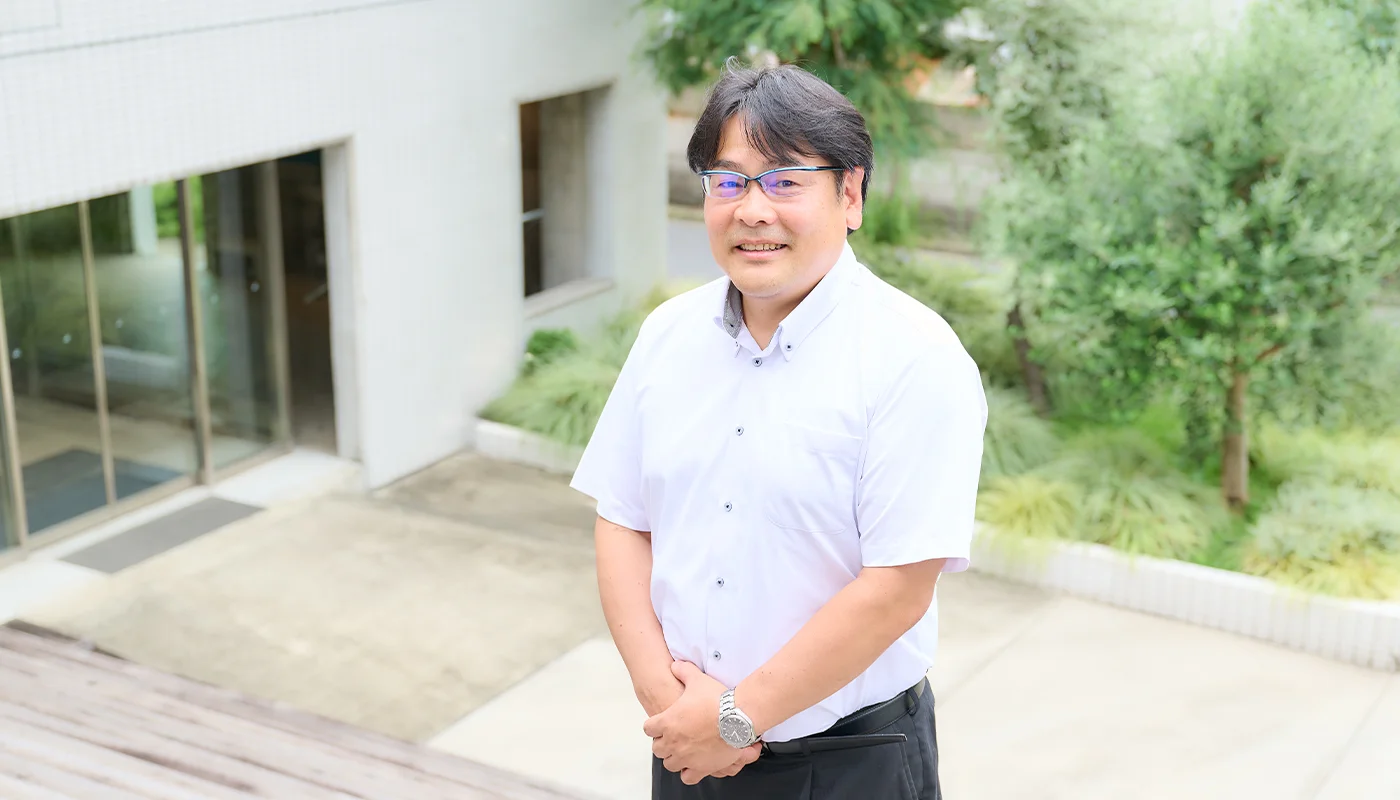
Environmental initiatives are no longer merely defensive measures for businesses. Increasingly, they are becoming growth strategies that create new value. Ricoh Group is working toward a circular economy in which resources remain in circulation while generating greater value with every cycle. At the heart of this vision is Evolving Circularity, a model that moves beyond recovery and reuse to create new economic, social and environmental value every time products and resources circulate. Driving this effort is Ricoh’s LC (Linear-to-Circular) Transformation strategy. By aligning environmental sustainability with business growth, Ricoh ultimately envisions a future where customers choose products without having to consider whether they are new or remanufactured. We sat down with Harunori Ishiyama, general manager of LC Management Center, Business Solution Products Division at ETRIA Co., Ltd., to discuss the vision behind LC Transformation and the practical steps being taken to turn it into reality.
Reading time: 7 minutes
Ricoh Group has long been committed to resource circulation, with a history spanning more than three decades. One key example is its remanufacturing business, which collects used products and components, restores them to like-new condition, and returns them to the market for resale. So why introduce LC Transformation now?
The answer lies in Ricoh’s determination to fundamentally redefine its conventional remanufacturing business and take resource circulation to a new level. LC Transformation is Ricoh Group’s strategy to accelerate the shift away from the prevailing linear economy — in which products across industries are generally manufactured, used and discarded — toward a circular economy, in which resources remain in continuous circulation. By rethinking the entire value chain, from design and production to collection and remanufacturing, Ricoh aims to harmonize environmental stewardship with business growth while delivering greater value to customers.
Spearheading LC Transformation, Harunori Ishiyama explains why this strategy is crucial for the company. “Beyond addressing urgent environmental challenges like climate change and resource depletion, the expansion of circular economy regulations worldwide is making this shift increasingly critical. At the same time, customer expectations and values are evolving. We are moving away from an era of mass production and mass consumption toward one in which people evaluate not only cost and performance but also how a company addresses social challenges. Environmental responsibility has become an indispensable driver of business competitiveness.”
Ishiyama also points to structural shifts in the manufacturing environment as another decisive factor. “Surging demand for AI and geopolitical uncertainty are driving up component costs and tightening supply. To reliably deliver products and services to customers under these circumstances, businesses must maximize the value derived from limited resources. In this sense, the circular economy is not merely an environmental initiative — it serves as a critical foundation for resilient business operations.”
LC Transformation is not simply about keeping resources in circulation. Its goal is to realize Evolving Circularity — a model where value increases with each cycle, continuously generating new benefits for customers and society. Traditionally, Ricoh’s remanufacturing business focused on collecting used products, restoring them to their original specifications and returning them to the market. As a result, customers typically evaluated remanufactured devices in comparison with brand-new ones.
“While remanufactured products offered a clear cost advantage, some customers had concerns about performance reliability or missing out on the latest features. Furthermore, products at the time were not necessarily designed from the outset for long-term, repeated reuse in a circular system,” Ishiyama explains.
LC Transformation aims to shift from this traditional “restorative loop” to Evolving Circularity. By reengineering the entire lifecycle — from planning and design to procurement, manufacturing, usage, collection and remanufacturing — Ricoh is building a framework in which value compounds every time products and materials circulate. “Rather than merely returning products to their previous state, our goal is to continuously deliver economic and social value through circulation. We envision a future where choosing circular products naturally offers a superior experience for our customers. That is the future LC Transformation is set to create.”
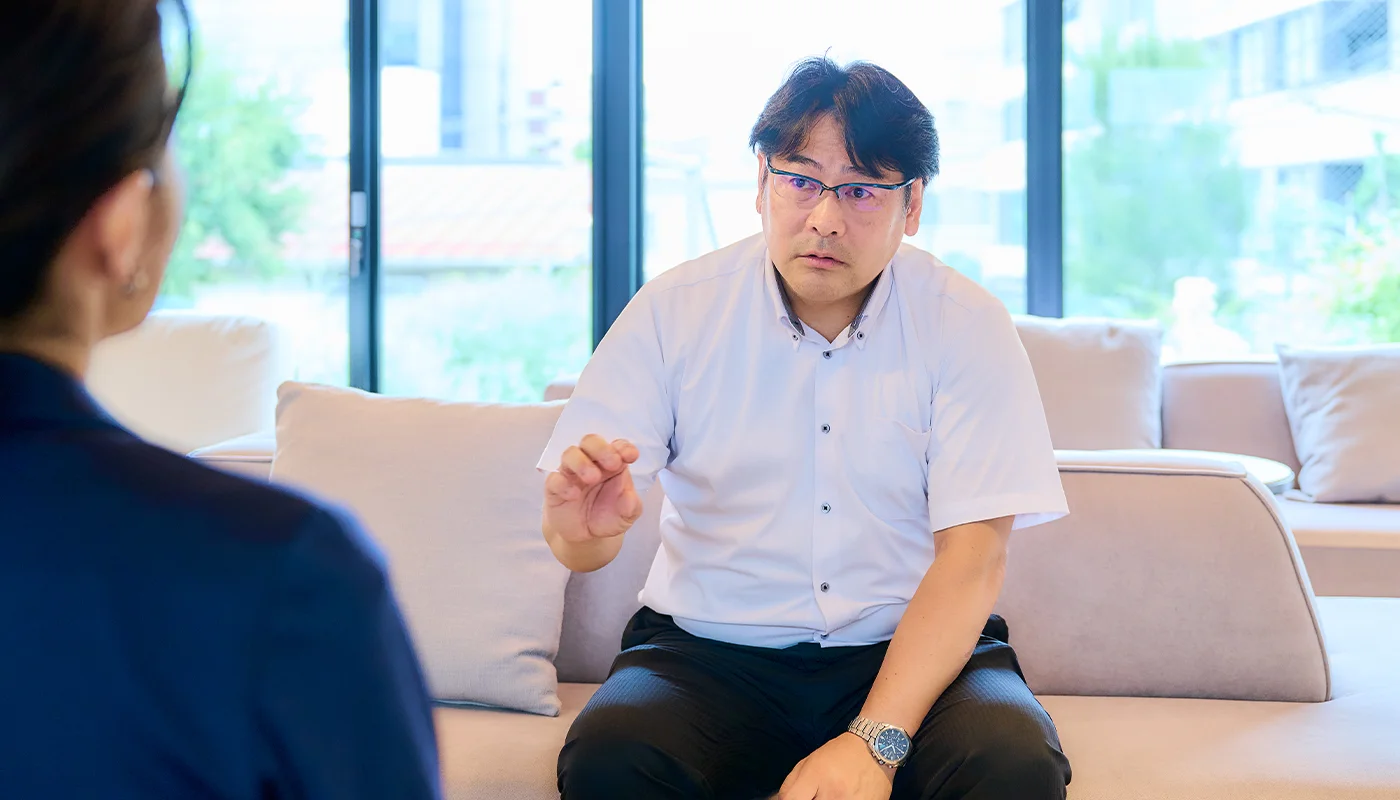
Harunori Ishiyama
General Manager, LC Management Center, Business Solution Products Division, ETRIA Co., Ltd.
How will Evolving Circularity become a reality?
At the heart of this approach is a manufacturing concept called Circular New.
Circular New is built on three pillars:
- Circular product design
- Localized circular production
- Data integration and connectivity
Ricoh is engineering products designed for long-term circularity from the outset, while establishing production models close to consumption markets. In parallel, the company is leveraging lifecycle data across the entire value chain to maximize efficiency and unlock new value throughout every circular loop.
LC Transformation spans far beyond a single department, bringing together teams responsible for design, production, sales, service, and IT systems — along with close collaboration with ETRIA, which develops and manufactures multifunction printers. Transforming established processes to build entirely new systems required cooperation across traditional departmental and corporate boundaries.
In driving this shift, Ishiyama placed primary importance on thoughtful, consistent communication. “We spent considerable time sharing the vision of LC Transformation across each division, working backward from that goal to review and refine every necessary process,” Ishiyama explains. “What matters most in dialogue is engaging with people on the ground, incorporating diverse feedback and driving change together. Many essential insights emerge only from firsthand experience on the front lines. Because LC Transformation is uncharted territory, solutions cannot simply be dictated from a desk; by collaborating closely with teams on the ground, we can build a more resilient and robust system.”
While driving such a comprehensive transformation across Ricoh and ETRIA presents immense challenges, Ishiyama sees significant potential ahead. “To sustain growth amid profound environmental and societal shifts, companies have a clear responsibility to evolve. At the same time, this transition presents a tremendous opportunity for Ricoh. We view circular manufacturing not as a defensive compliance measure but as a proactive growth strategy and a core competitive advantage. For me personally, that challenge is what makes this work so rewarding.”
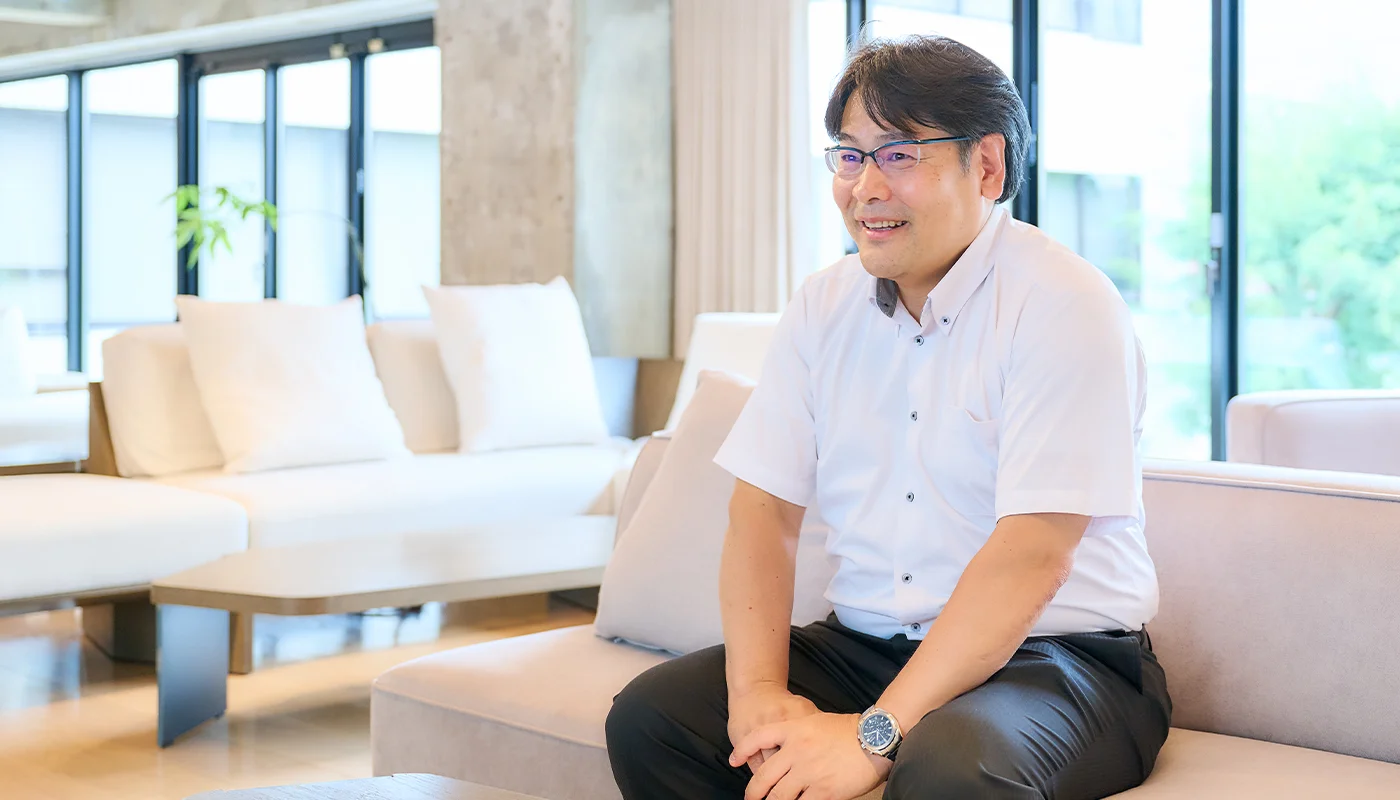
Over the next decade, Ishiyama envisions a society where people naturally choose the best products without having to consider whether they are new or remanufactured. The goal is not to ask customers to compromise on performance or convenience for the sake of sustainability but to elevate the inherent value of circular products so they become the obvious choice.
“By building an ecosystem where products, components, materials, and data circulate continuously, we can minimize the use of newly sourced materials while driving both economic growth and environmental value. To achieve this, Ricoh hopes to lead by example in circular manufacturing, and inspire industrywide transformation.”
Throughout his career at Ricoh Group, Ishiyama has participated in many transformation initiatives. Yet he views LC Transformation as one of the most challenging, requiring established processes to be overhauled to generate entirely new value. “The work we are driving through LC Transformation has the power to unlock new value, reshape operational models, and ultimately spark broader societal change. Being able to tackle this challenge together with so many colleagues, both inside and outside the company, gives me a true sense of ‘Fulfillment through Work.’”
Through ongoing dialogue and steady transformation, a new standard for tomorrow is taking shape — a future where the boundary between “new” and “remanufactured” fades away and choosing better products naturally benefits the environment. Ricoh’s LC Transformation is dedicated to turning this vision into reality.
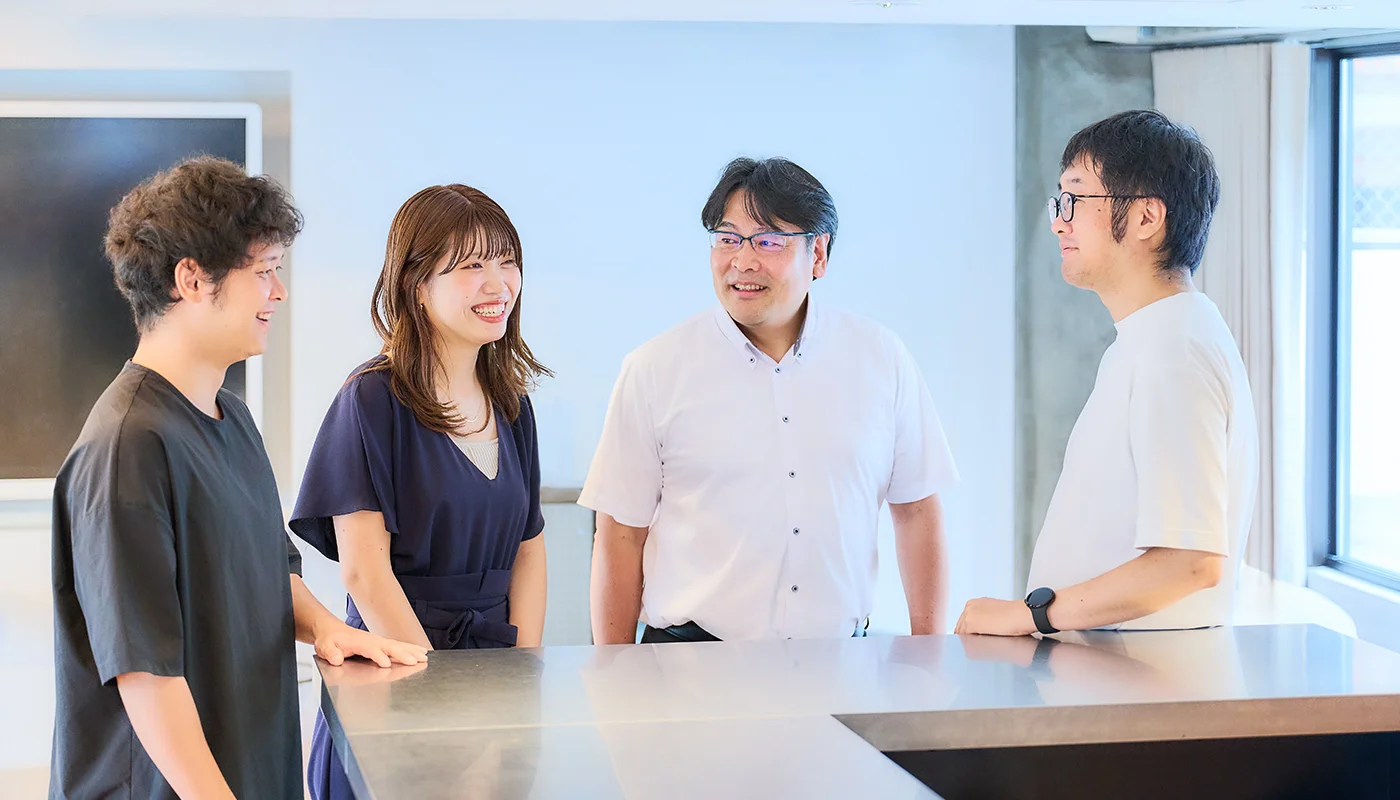
Driving LC Transformation with internal and external partners to build tomorrow’s new normal: Harunori Ishiyama.


