Global
Ricoh's Initiatives
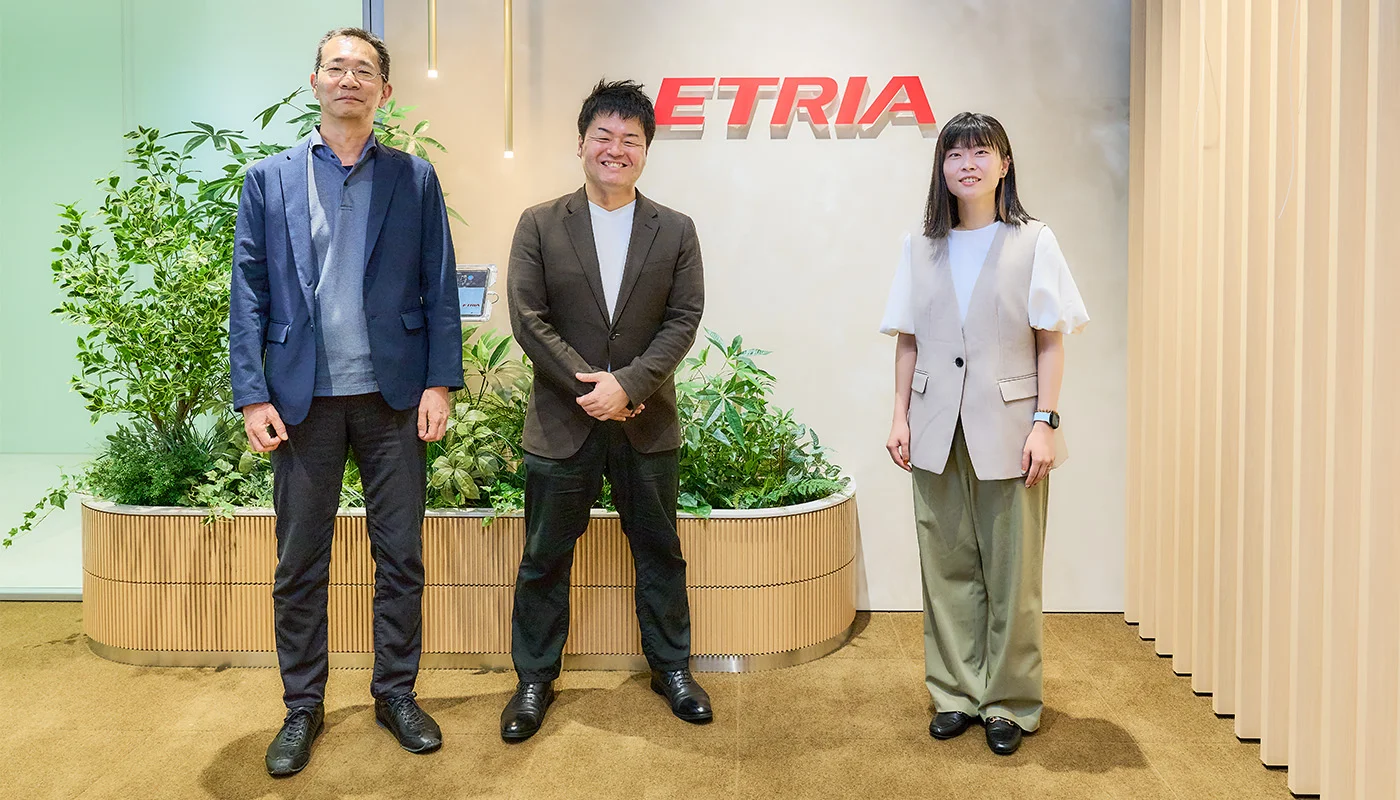
In July 2024, ETRIA Co., Ltd. was established as a joint venture between Ricoh and Toshiba Tec. In October 2025, Oki Electric Industry (OKI) joined the company, further strengthening its development and production capabilities while accelerating its global competitiveness.
As workplaces continue to evolve, ETRIA is taking on the challenge of creating new value—guided by the Ricoh Group’s mission and vision of “Fulfillment through Work.” What has made this journey possible is the effort to bring people and technologies together across corporate boundaries.
Marking two years since its launch, we spoke with the people behind the project about how ETRIA came to be, what they have built together, and the changes made possible by this integration.
Estimated reading time: 7 minutes
ETRIA was established by integrating the development and production functions of Ricoh and Toshiba Tec’s Office Printing businesses. Isao Yahata, who led the integration project at Toshiba Tec and now serves as Business Planning Group Leader for the Toshiba-brand Business at ETRIA, reflects on the background to the integration.
“Following the COVID-19 pandemic, the way we work changed, and the document business market was in decline. For both Toshiba Tec and Ricoh, adapting to these changes became a pressing challenge,” Yahata says.
“Multifunction printers bring together a wide range of technologies—from mechanics and chemistry to electronics and software. These are areas where Japan has long excelled. Through integration, we aimed not only to strengthen our competitiveness, but also to combine the expertise and technology each company had cultivated and continue delivering value to customers around the world.”
By combining different development approaches and expertise, ETRIA has created an environment that encourages new ideas and innovation. At the same time, the integration has enabled efforts toward cost optimization through shared components and engine platforms. Designed to respond to a changing industry landscape, ETRIA represents a collective effort to transform challenges into new opportunities.
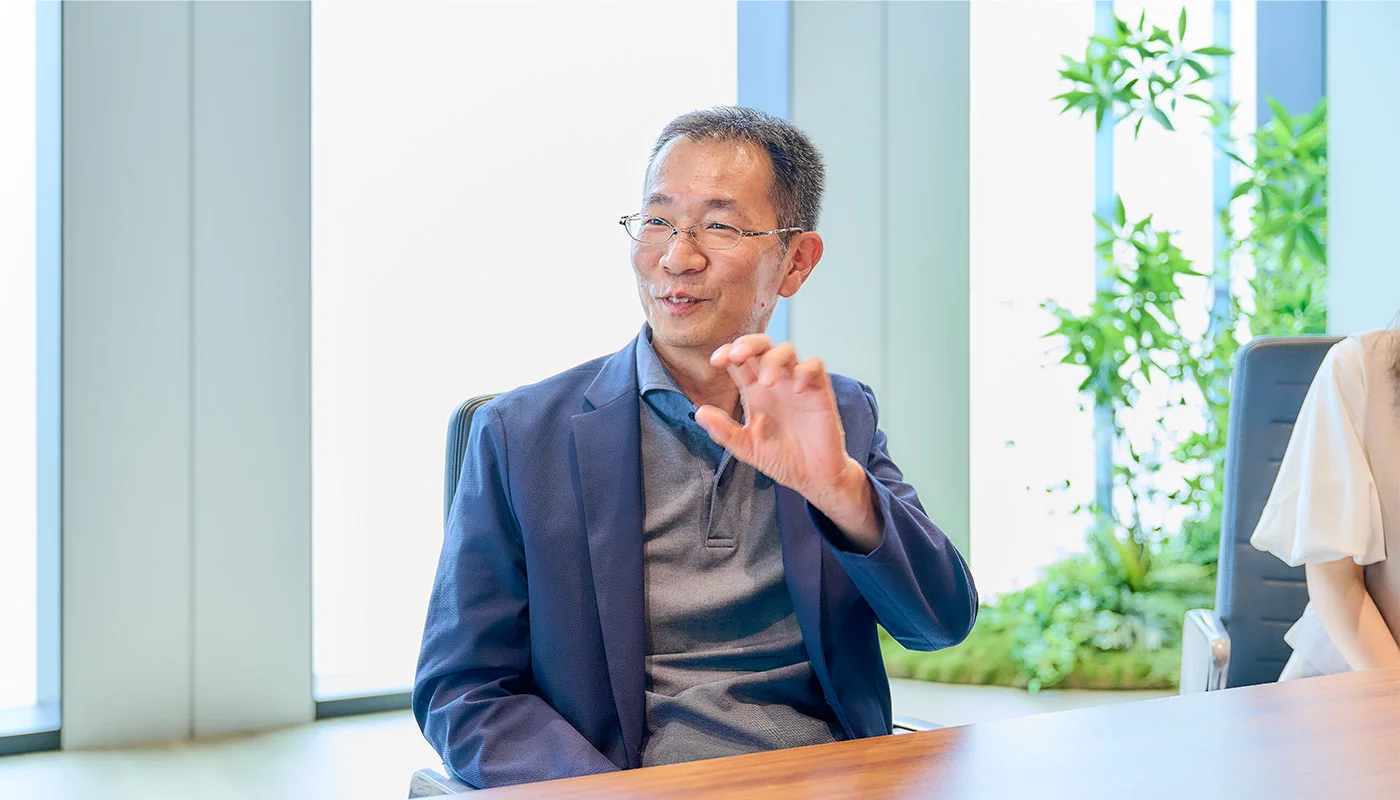
Isao Yahata
Business Planning Section Manager, Business
Strategy Center, WSP Business Division, ETRIA
As ETRIA worked to align strategies and processes, addressing employees’ concerns became a key priority. To foster mutual understanding and ease anxieties about transitioning to a new organization, the company launched the “ETRIA Engagement Project.”
Tomomi Harashima, who joined the project three months before ETRIA’s official launch, reflects on the initiative.
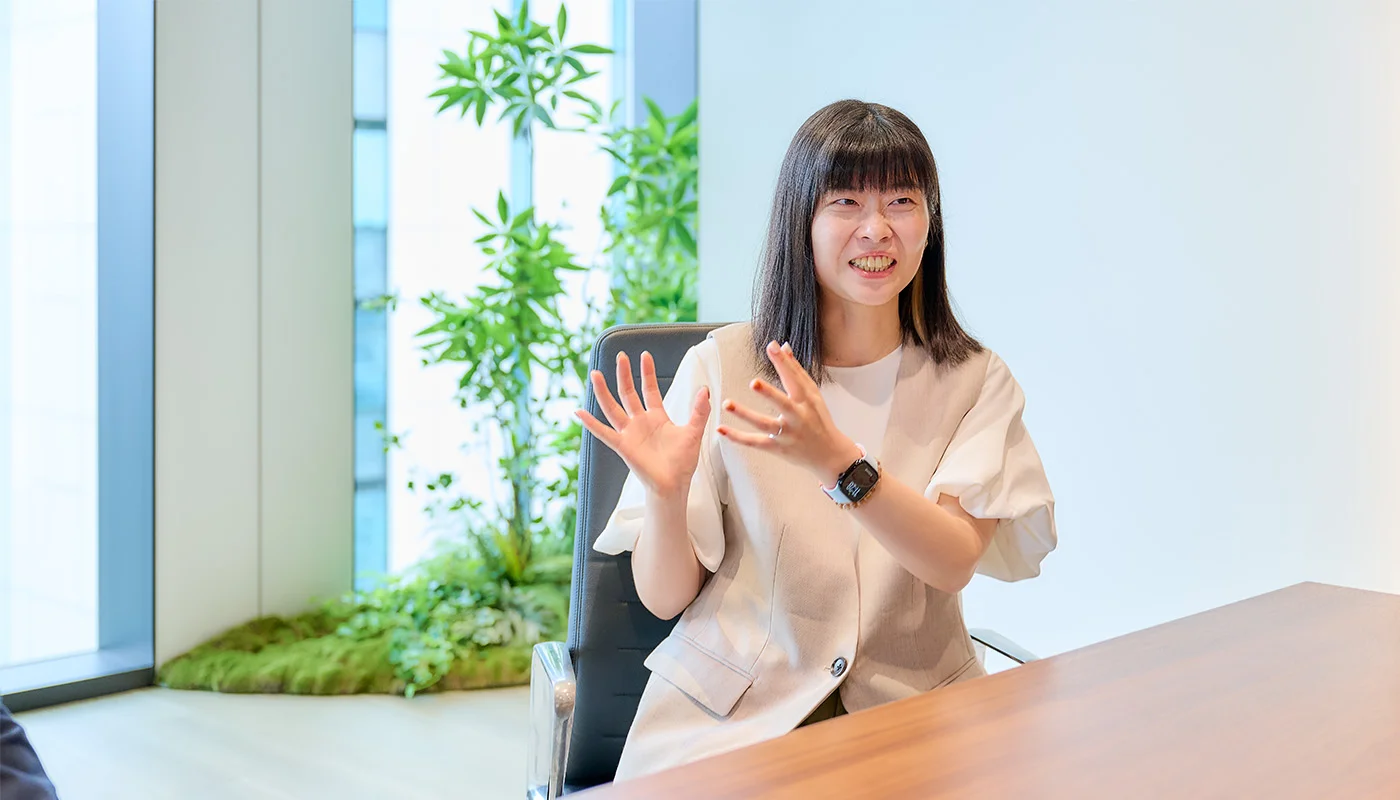
Tomomi Harashima
Technology Planning Section, Technology
Strategy Department, Technology Development Division, ETRIA
The engagement project created opportunities for employees from both
companies to get to know each other, including exchange activities, as
well as initiatives such as creating shared items like neck straps to
foster a sense of unity. Harashima says, “While I could feel differences
in working environments and cultures, we all shared the same desire to
come together as one company. Because of that, I didn’t find it difficult
to align our perspectives.”
At the same time, Harashima also recalls
that many employees felt significant uncertainty about the integration.
“A
question we heard again and again was, ‘What will happen to us?’ Because
the new organization was still taking shape, it was difficult for people
to picture their future. To address this, we created an internal portal
and shared as much information as possible to help make ETRIA more
visible.”
When ETRIA officially launched on July 1, 2024, the atmosphere shifted.
“Before ETRIA, communication across the two companies was limited by organizational boundaries. On that day, it felt like those walls had come down—and that we could finally move forward together as one.”
In October 2025, OKI integrated its multifunction printer and printer development and production operations into ETRIA, bringing proprietary technologies such as LED printheads and further strengthening the company’s development and production capabilities.
Masaru Hirata, who worked on multifunction printer and printer development at OKI, joined ETRIA through the integration and now leads the Engine Firmware Development team, where he is involved in new product development.
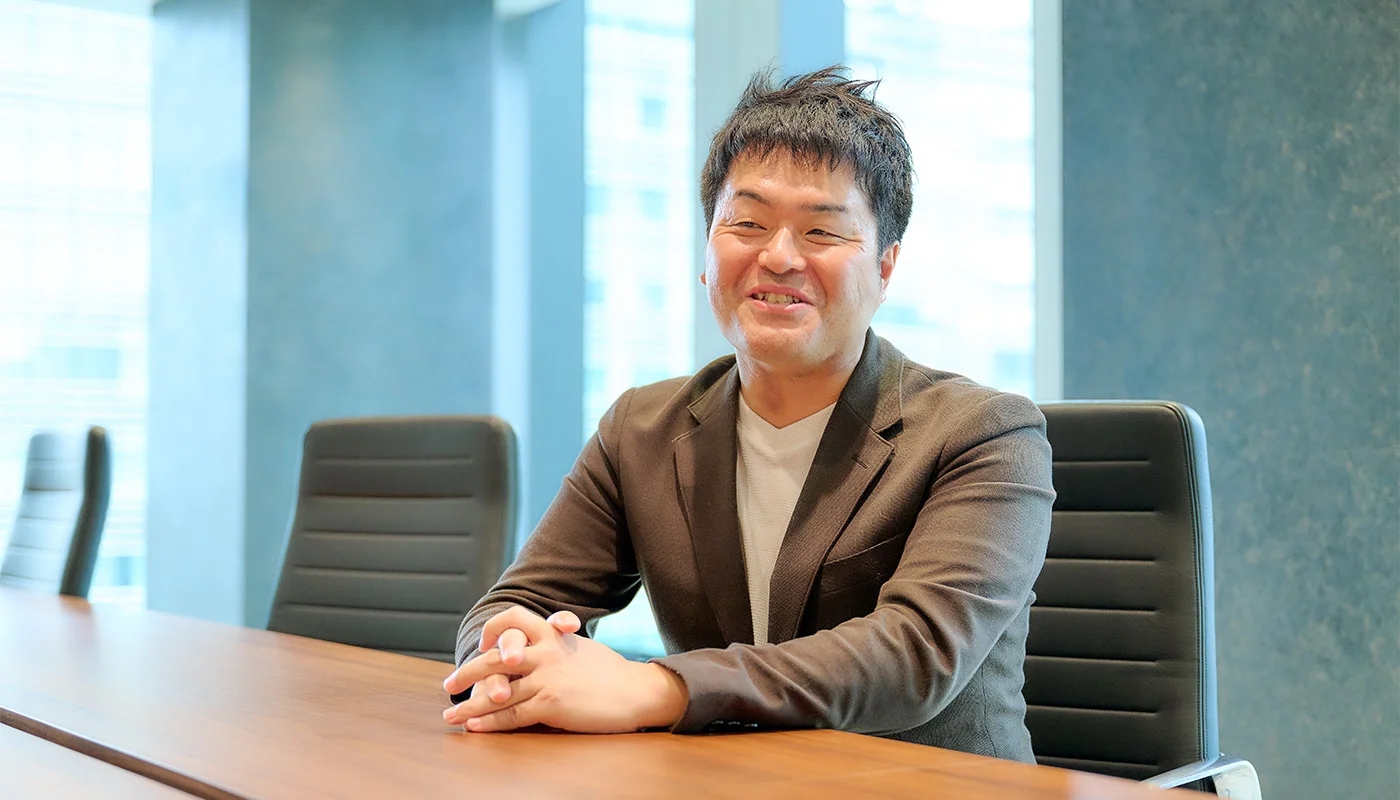
Masaru Hirata
Section 2 Leader, Engine Firmware Development Department,
Development Management Center, Component Products Business Division,
ETRIA
With OKI's participation, ETRIA now brings together the technologies and expertise of all three companies. At the same time, each company has developed its own processes and ways of working over many years. Integrating these technologies and capabilities required overcoming those differences.
From an engineering perspective, Hirata points to differences in development processes.
“While milestones and required deliverables are broadly similar, the way those deliverables are reviewed differs. I work in software development, and I also hear from colleagues in hardware development that ETRIA’s development process offers perspectives we didn’t have at OKI, providing valuable insights throughout development.”
These differences sometimes created challenges, but they also opened up new possibilities.
To bridge these gaps, Hirata and his colleagues place great importance on close communication. Hirata says, “Engineers from different sites and technical fields are always willing to discuss what's expected in each deliverable. Recently, as development of our engine firmware has entered its final stage, I've been holding remote meetings almost every day.”
Through these daily conversations, the integration of technologies and expertise from the three companies has steadily progressed. Hirata also expects that challenges that each company used to face on its own—such as cost optimization of OKI’s LED printheads—will be addressed more effectively under the integrated development structure.
ETRIA is already beginning to see tangible results from its integration efforts. In February, the company released an OKI-branded A4 color multifunction printer overseas—an achievement that holds particular significance, according to Hirata.
“This marks a new chapter for OKI’s multifunction printer business, which had been in decline. Being able to meet customer needs and bring a new OKI-branded product to market again was a meaningful step for us,” Hirata says.
The Auto-ID business, which supports logistics automation through barcode
printers, is another example of how the integration is creating new
synergies. Yahata explains:
“The Auto-ID business is one of the areas
we see great potential in for the future. As collaboration between teams
has deepened, we’re now able to take on new challenges in both product and
business development.”
In addition, ETRIA is working to improve production efficiency by sharing engine platforms across brands and advancing multiple development projects in parallel. These efforts highlight how integration is not only improving efficiency, but also creating new opportunities through shared expertise.
The integration project has not only reshaped the organization, but also driven personal growth for those involved. Yahata reflects on how the experience broadened his perspective.
“Taking on something new and being involved in establishing a new company, while working closely with top management, was a truly exciting experience. In the integration working groups, collaborating with people from outside my former company brought a real sense of fulfillment to my work. I also feel that people around me have become more positive about their work since we became a new company. And every time I see the large ETRIA signs at our sites in Numazu and Gotemba, near where I live in Shizuoka, I’m reminded that we really built this company together—which gives me a real sense of pride,” he says.
Harashima, who joined the engagement project through an internal recruitment process, also reflects on her experience.
“I was excited by the opportunity to learn new things and to create something together with people I wouldn’t have met if I had stayed at Ricoh. One comment from a former Toshiba Tec colleague during the project has stayed with me. I tend to be cautious, but they told me, ‘Even if you fail, it won’t be a fatal setback. What matters now is moving forward with speed.’ Even today, that advice gives me the push I need when I hesitate. Through these new perspectives, I feel that I’ve been able to grow in a positive way,” Harashima says.
For Hirata, being involved in ETRIA’s core printer development is a source of great fulfillment.
“Working with teams across locations to solve challenges and move development forward with speed gives me a strong sense of fulfillment. Before the integration, I was concerned that OKI’s multifunction printer and printer business might not continue as it was.
Being part of this effort and continuing to work at the forefront of development is something I’m truly grateful for. It also made me realize again how much I enjoy working on printer development. There are certainly challenges, but being able to move forward as one team and prepare to bring new products to market is something that makes me very happy,” Hirata says.
Bringing together the technologies and cultures of Ricoh, Toshiba Tec, and OKI, ETRIA’s approach to value creation goes beyond efficiency and productivity. By learning from one another and combining diverse strengths, the company is building a foundation for new ideas and innovation.
As workplaces continue to evolve, ETRIA remains committed to shaping that future—expanding possibilities through the power of people and technology.