



Change Country/Area Global

What Is Evolving Circularity?

Explore how Evolving Circularity can help organisations combine performance,
resilience and environmental responsibility, and the journey and vision behind it.

CONCEPT

Evolving Circularity

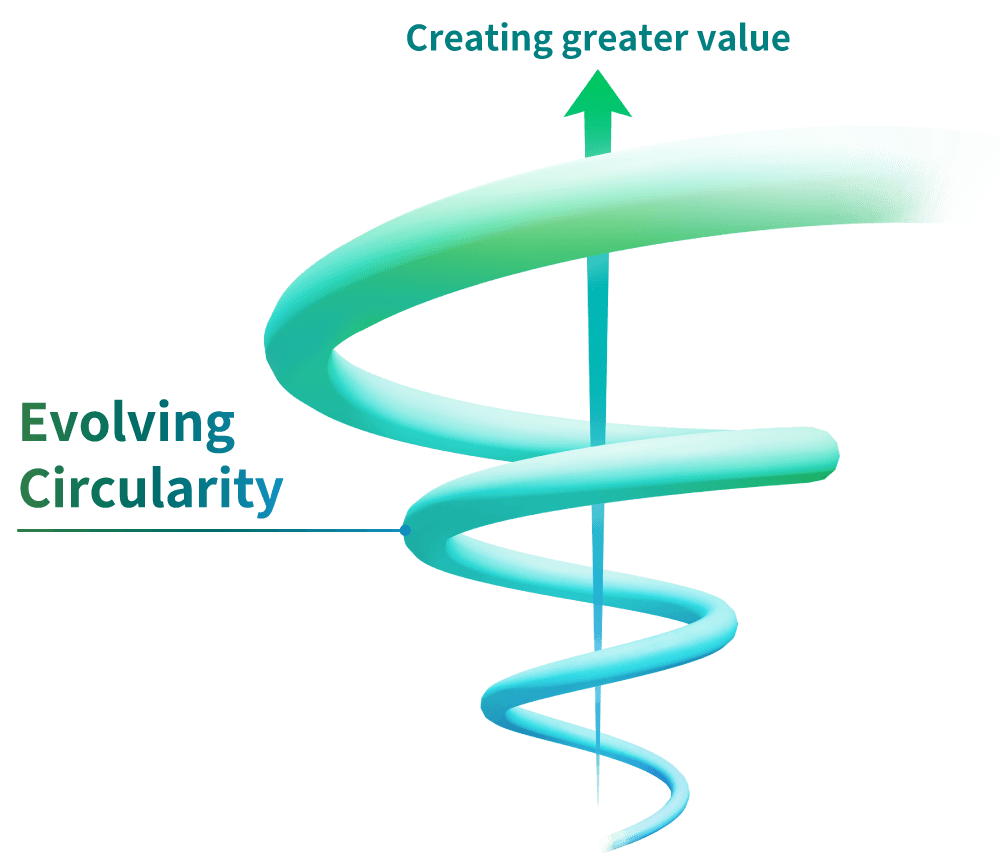
Evolving Circularity is a new approach to circularity. Rather than simply returning products to their original state, it adds value throughout the cycle so that products and manufacturing can evolve.
Products that have been through the circular process retain high quality and functionality, helping organisations respond to changing requirements and the need for more resilient use of resources.

As Evolving Circularity expands, people and organisations can choose products, experiences and systems that combine environmental value with the performance and reliability their operations demand.
Our ambition is a future in which environmental progress and business growth accelerate together.

An image of the “Evolving Circularity” cycle, where value is enhanced An image of the Restorative Circularity

The Benefits of Evolving Circularity for Different Stakeholders

Companies and Public-Sector Organisations

Balance environmental responsibility with quality, functionality and reliability to support confident procurement and long-term value

Distributors and Sales Partners

Use clearer evidence of product quality and environmental value
to recommend solutions with confidence

Logistics and Collection Providers

Build circularity into collection and distribution
to improve efficiency and strengthen resource flows

Remanufacturers

Optimise circular processes
to control costs while maintaining quality

TOPICS

Three Topics That Explain Evolving Circularity

01 Environmental and Resource Pressures Are Increasing

Climate change, resource scarcity and supply chain disruption are creating direct operational and procurement challenges.
Organisations around the world increasingly need to balance performance, availability and environmental impact when making procurement decisions.

02 From Linear to Circular

A circular economy keeps products and resources in use for longer and minimises waste.
For organisations, this can reduce exposure to scarce resources, extend product value and support a more resilient operating model.

03 Circularity Expectations Are Rising Worldwide

Europe continues to shape circular-economy regulation and market expectations around product durability, reuse, repairability and transparency. Around the world, organisations are placing greater emphasis on resource efficiency, resilience and sustainable growth.
China, the United States and Japan are also advancing circular-economy policies and initiatives. In this global context, organisations increasingly need credible evidence of their environmental impact and contribution to circularity.

HISTORY

Ricoh's Journey to Evolving Circularity

Phase 01

As a Pioneer in Environmental Conservation

For many years, Ricoh has advanced environmental initiatives that now underpin our approach to circularity. These include the Comet Circle, our framework for a circular economy, and becoming the first Japanese company to join RE100.
This long-term experience provides a practical foundation for helping customers combine environmental progress with operational priorities.
Phase 02

Confronting the Limits of Restorative Circularity

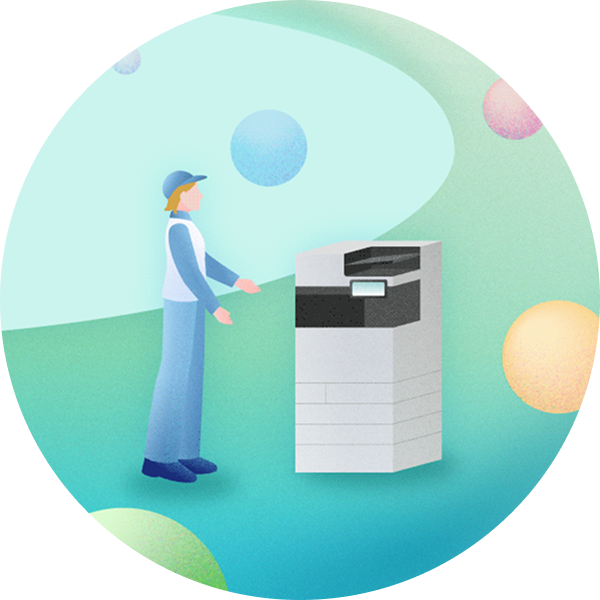
For more than 30 years, Ricoh has collected and remanufactured used products.
However, many customers still associate remanufactured products with a compromise in performance or functionality.
If circular products cannot meet operational expectations, adoption will remain limited. We therefore needed an approach that could strengthen both environmental and customer value.

Phase 03

NOW

Driving Transformation to Realise Evolving Circularity

We concluded that customers should not have to choose between environmental performance and quality.
Our new circular model continuously adds new value throughout the cycle, creating high-quality products with advanced functionality from existing products.
To make this possible, we are transforming manufacturing, business models, product value and supporting systems. These changes are accelerating progress towards Evolving Circularity.

FUTURE

The Future Created by Evolving Circularity

In the future created by Evolving Circularity, products, organisations and value chains will change - creating new value, stronger connections and more resilient ways of working.

Products Evolve
Through Circularity

As Evolving Circularity expands, products can continue to evolve through circularity while improving both functionality and environmental value.
One example is Circular New, our manufacturing concept designed for circularity from the outset.

Choose Without Compromise

Customers should not have to trade performance and reliability for environmental responsibility.
Evolving Circularity aims to make sustainable choices easier, more credible and better aligned with everyday operational needs.

Circularity Connected
by Data

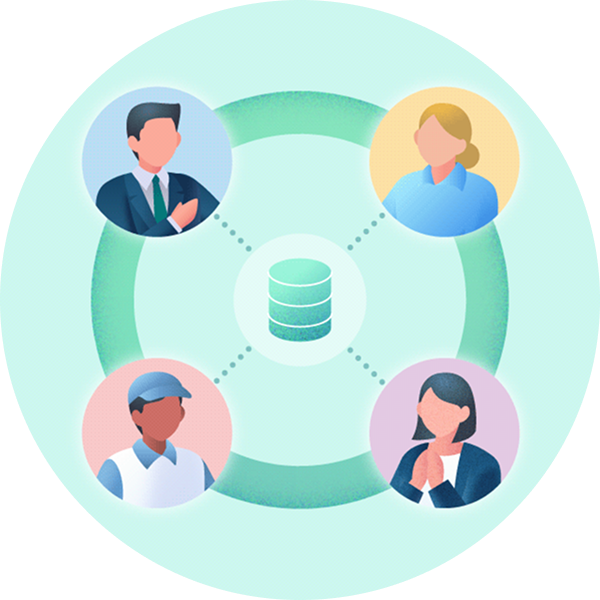
By sharing trusted data and practical knowledge related to circularity,
organisations can collaborate across value chains, improve transparency
and participate in circularity with greater confidence.

The Three Transformations That Realize a Circular Future

PAGE TOP